Glencore defends Aurukun bauxite project progress amid scrutiny of proposed Rio Tinto sale
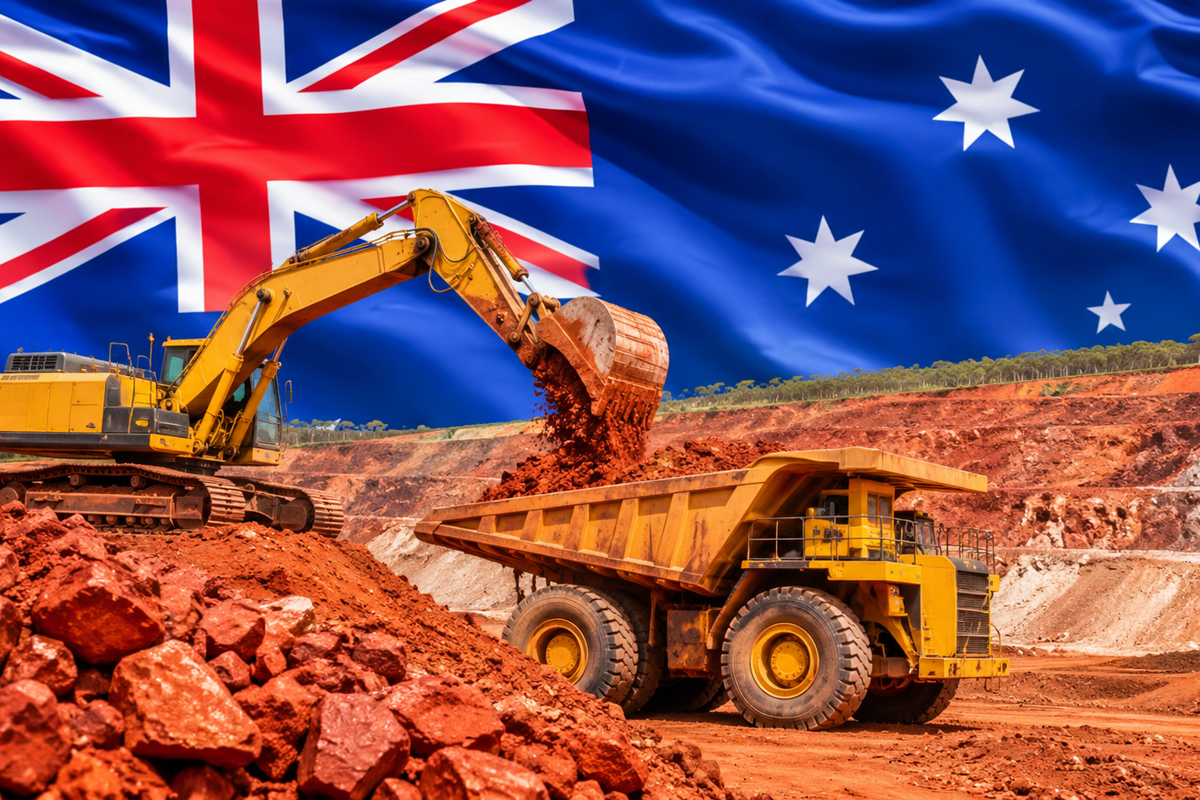
The image used in this article is generated with an AI tool and does not depict any real-time moment
Glencore has defended its progress on the Aurukun bauxite project in Queensland, saying it has met all commitments under its licence conditions, as calls for greater scrutiny mount over its proposed sale to Rio Tinto.
Queensland MP Robbie Katter, a member of the Parliamentary Primary Industries and Resources Committee, is seeking an inquiry into the deal. The reported sale value has been put at USD 250 million, though this figure has not been confirmed.
Katter questioned why a multinational company should hold a public resource without developing it and then sell its interests. He said, “That resource is owned by the people of Queensland, it’s not the government’s to play around with, or for any of these global mining companies to just trade.”
Explore the production, demand and consumption forecasts of bauxite and alumina in our report: "Global Bauxite & Alumina Market Forecast to 2036: Supply–Demand, Trade Flows & Price Outlook"
Aurukun project director Julian Farrugia said Glencore had fulfilled its licence commitments, including expenditure requirements. The project is located 23 km north-east of Aurukun. He said, “Since grant of the initial tenure in 2018, our project team has undertaken feasibility studies and been progressing regulatory approvals as well as engaging with Queensland Government, Traditional Owners, and the community.”
He further added that the approvals process had been a “key factor in terms of delays and reflects the current reality of doing business in Australia.”
Glencore and its joint venture partner Mitsubishi had committed resources to the project beyond the minimum requirements under their licence conditions, he said. Farrugia also believes the proposed transfer to Rio Tinto offered the best opportunity to develop the deposit, given the company's existing bauxite operations in the region.
Concerns over project development
The proposed sale has also drawn attention to the future development of the Aurukun leases, given Rio Tinto's existing bauxite resources on Cape York. Metro Mining managing director Simon Wensley has called on the Queensland Government to consider giving his company the opportunity to develop the lease, saying it could bring the project into production sooner than Rio Tinto.
Looking for alumina refinery raw materials? Compare grades, explore sourcing options, and connect with global suppliers on AL Biz.
Queensland Natural Resources and Mines Minister Dale Last said the government planned to introduce legislation to address deliberate land banking and delays in developing mining leases. The proposed changes would include 'use it or lose it' provisions in the state's resources tenure framework, with legislation expected to be ready in 2027.
Rio Tinto has previously said that, if the acquisition proceeds, it will assess the required regulatory approvals and work with Traditional Owners during the next stages of planning and development.
History of delays
The Aurukun project has changed hands several times. In 2006, China's Aluminium Corporation of China (Chalco) won the rights to develop the deposit after the Queensland Government withdrew the lease from a group of companies, including Aluminium Pechiney Holdings.
Unlock key insights from leading companies and experts across the aluminium ecosystem with our e-Magazine - Mine to Market: Aluminium Producers & Manufacturers 2026
Chalco's USD 2.92 billion proposal included a bauxite mine and an alumina refinery in Queensland. However, the plans did not proceed, and the state government later terminated its agreement with the company.
Glencore received the project in 2014 through a competitive tender. It was granted a mineral development licence in 2018, allowing it to begin feasibility and environmental studies. The company submitted its environmental impact statement in early 2023. A revised statement was accepted by the Queensland Government last year, followed by the release of the assessment report.
Glencore had been assessing a mine with a proposed production capacity of up to 8 million dry tonnes of washed bauxite annually and an operating life of more than 20 years.
Venezuela eyes second primary aluminum shipment to US as trade links reopen
Next articleImpact Minerals proposes name change as Lake Hope HPA development advances
Grow with
AL Circle